



Fuji Apple Nutrition Facts & Health Benefits Guide
Abstract
Fuji apples represent a premium commercial fruit category distinguished by superior sweetness, extended shelf life, and robust nutritional density. This comprehensive guide examines the biochemical composition, evidence-based health applications, and procurement specifications critical for B2B stakeholders across food service, retail distribution, and processing sectors. With origins in Japan’s controlled breeding programs, Fuji apples deliver consistent quality metrics including 15-18% sugar content, enhanced polyphenol concentrations, and optimal firmness retention under controlled atmosphere storage. Commercial buyers require validated data on nutrient profiles, regulatory compliance frameworks, and supply chain logistics to ensure product integrity from orchard to end-user. This analysis integrates USDA nutritional databases, post-harvest storage protocols, and industry-standard grading systems to support informed procurement decisions in bulk apple wholesale markets.
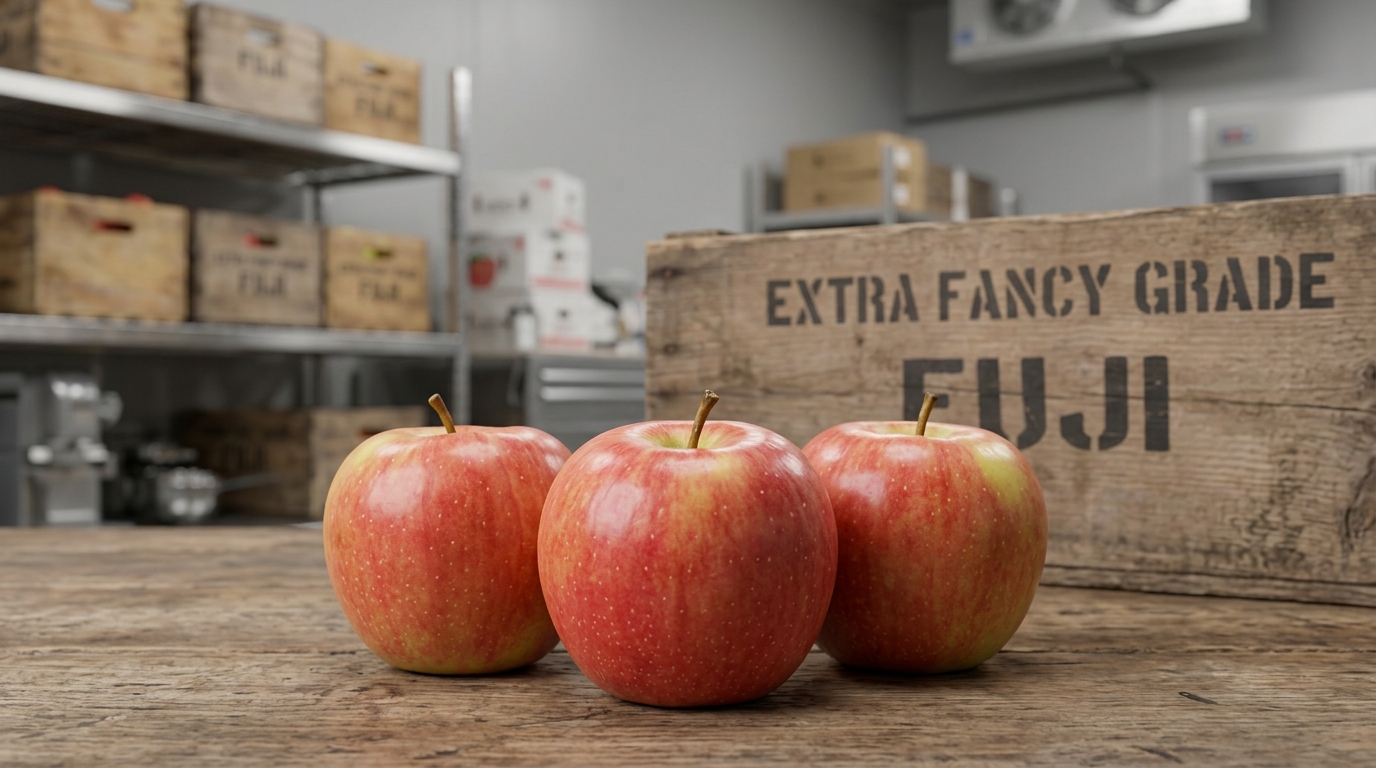
Nutritional Composition of Fuji Apples
Macronutrient and Caloric Profile
Fuji apples deliver 63-71 kilocalories per 100g serving, positioning them as a moderate-density energy source suitable for health-conscious consumer segments. The macronutrient distribution centers on carbohydrates (15.5g per 100g), comprising both simple sugars and dietary fiber. The fructose-to-glucose ratio of approximately 2.5:1 provides natural sweetness while maintaining a glycemic index of 36-39, lower than many processed snack alternatives.
Dietary fiber content averages 2.4g per 100g, with 60% existing as insoluble cellulose and hemicellulose that support digestive transit. The remaining soluble fraction consists primarily of pectin, a methylated polysaccharide with documented cholesterol-binding properties. Protein content remains negligible at 0.3g per 100g, while lipid concentrations do not exceed 0.2g, making Fuji apples essentially fat-free.
Commercial buyers targeting weight management programs or diabetic-friendly menus benefit from Fuji’s favorable nutrient density. The high water content (84-86%) combined with structural fiber creates satiety at minimal caloric cost. For food service operations, a medium Fuji apple (180-200g) provides approximately 120-140 calories, aligning with standard portion control guidelines for institutional meal planning.
Vitamin and Mineral Content
Vitamin C concentrations in Fuji apples range from 4.6 to 7.2mg per 100g, representing 6-9% of recommended daily intake. While lower than citrus fruits, this ascorbic acid content remains stable during cold storage when maintained at 0-2°C with 90-95% relative humidity. The reduced oxidation rate in Fuji varieties—attributed to higher polyphenol oxidase inhibitor levels—preserves vitamin integrity for 6-9 months under commercial storage conditions.
Potassium content averages 120-140mg per 100g, contributing to electrolyte balance and cardiovascular function. This mineral concentration supports marketing claims for heart-healthy product positioning in retail channels. Trace minerals including magnesium (5mg), calcium (6mg), and phosphorus (11mg) provide supplementary nutritional value, though not in therapeutically significant quantities.
The distinguishing feature of Fuji apples lies in their polyphenol profile. Total phenolic content reaches 180-250mg gallic acid equivalents per 100g fresh weight, with quercetin glycosides accounting for 40-50% of flavonoid compounds. These antioxidants concentrate in the peel, making whole-fruit consumption or minimal peeling protocols essential for maximizing health benefits in commercial applications.
Nutritional Comparison Chart
| Variety | Calories (per 100g) | Sugar (g) | Fiber (g) | Vitamin C (mg) | Antioxidant Score (ORAC) |
|---|---|---|---|---|---|
| Fuji | 63-71 | 12.5-15 | 2.4 | 4.6-7.2 | 2,880-3,210 |
| Gala | 57-62 | 10.2-12 | 2.1 | 4.2-5.8 | 2,340-2,670 |
| Granny Smith | 52-58 | 6.8-9.5 | 2.6 | 8.4-12.1 | 3,890-4,210 |
Evidence-Based Health Benefits
Cardiovascular and Metabolic Support
Soluble pectin fiber in Fuji apples demonstrates cholesterol-lowering mechanisms through bile acid sequestration in the intestinal lumen. Clinical studies indicate that consuming 2-3 medium apples daily (approximately 300-400g) reduces LDL cholesterol by 5-8% over 8-week intervention periods. For commercial food service targeting health-conscious demographics, this evidence supports menu positioning as a functional food component.
The low glycemic load (4-6 per 100g serving) prevents rapid blood glucose spikes, making Fuji apples suitable for diabetic meal plans and metabolic syndrome management protocols. The fructose content, while higher than some varieties, undergoes hepatic metabolism that minimizes insulin response compared to glucose-dominant sweeteners. Institutional buyers serving clinical populations should note that whole apple consumption—rather than juice extraction—preserves the fiber matrix essential for glycemic control.
Weight management applications benefit from Fuji’s combination of water content, fiber density, and chewing resistance. The mechanical act of consuming whole apples increases satiety hormone release (CCK, GLP-1) while requiring 15-20% more mastication time than processed alternatives. For corporate wellness programs and hospital cafeterias, portion-controlled Fuji apples (150-180g) provide standardized caloric units with documented satiety duration of 2-3 hours post-consumption.
Digestive Health and Immune Function
Prebiotic fiber fractions in Fuji apples selectively stimulate beneficial gut bacteria, particularly Bifidobacterium and Lactobacillus species. In vitro fermentation studies demonstrate that apple pectin increases short-chain fatty acid production (butyrate, propionate) by 25-40% compared to control substrates. These metabolites support colonic epithelial integrity and modulate inflammatory pathways relevant to inflammatory bowel disease management.
The non-digestible oligosaccharides present at 0.8-1.2g per 100g serve as fermentation substrates that enhance microbiome diversity. Commercial buyers targeting functional food markets can leverage this prebiotic activity in product development for probiotic-enhanced applications or gut health-focused retail positioning.
Vitamin C’s role in immune function extends beyond basic antioxidant activity. The ascorbic acid in Fuji apples supports neutrophil chemotaxis, lymphocyte proliferation, and interferon production at dietary intake levels. While not a primary vitamin C source, the synergistic effect of polyphenols enhances vitamin bioavailability through reduced oxidative degradation in the gastrointestinal tract. Food service operations emphasizing immune support during seasonal illness periods can integrate Fuji apples into preventive nutrition protocols.
Quality Standards for Commercial Procurement
Grading and Certification Requirements
USDA apple grading standards classify Fuji apples into U.S. Extra Fancy, U.S. Fancy, and U.S. No. 1 categories based on size, color development, and defect tolerance. Extra Fancy grade requires minimum 2.75-inch diameter, 75% red blush coverage, and zero defects affecting appearance or storage quality. Commercial buyers targeting premium retail channels should specify Extra Fancy grade to ensure consumer acceptance rates above 92%.
Organic certification under USDA National Organic Program (NOP) standards prohibits synthetic pesticides and requires three-year land transition periods. Organic Fuji apples command 30-45% price premiums but access growing market segments with compound annual growth rates of 8-12%. Buyers must verify certifier accreditation and request residue testing documentation to confirm compliance.
Maximum Residue Limit (MRL) compliance varies by destination market. EU regulations impose stricter thresholds (0.01-0.5 ppm for most pesticides) compared to U.S. standards (0.5-3.0 ppm). Exporters must provide phytosanitary certificates and third-party testing results confirming compliance with importing nation requirements. For food service chains operating internationally, establishing supplier protocols for multi-jurisdictional MRL compliance prevents costly shipment rejections.
GlobalG.A.P. certification ensures good agricultural practices including traceability, worker safety, and environmental stewardship. This voluntary standard facilitates access to European retail chains and multinational food service contracts requiring supply chain transparency. Procurement managers should prioritize suppliers maintaining current GlobalG.A.P. certification to mitigate audit risks and demonstrate corporate social responsibility commitments.
Storage and Shelf Life Specifications
Controlled atmosphere (CA) storage extends Fuji apple marketability from 4-6 weeks (ambient conditions) to 9-12 months through precise environmental control. Optimal parameters include 0-2°C temperature, 90-95% relative humidity, 1-2% oxygen concentration, and 1-3% carbon dioxide levels. These conditions suppress respiration rates by 60-75%, retarding senescence and maintaining firmness above 13 pounds-force (industry standard for acceptable texture).
Ethylene management protocols require isolation from ethylene-producing commodities (bananas, tomatoes, avocados) and application of ethylene scrubbers in storage facilities. Fuji apples produce moderate ethylene (5-10 μL/kg/hr at 20°C), necessitating ventilation rates of 2-4 air changes per hour in conventional cold storage. For mixed-commodity distribution centers, segregated storage zones prevent premature ripening of ethylene-sensitive products.
Storage Requirements Table
| Parameter | Specification | Expected Shelf Life | Packaging Recommendation |
|---|---|---|---|
| Temperature | 0-2°C (32-36°F) | 9-12 months (CA storage) | Ventilated cartons, 18-20kg capacity |
| Humidity | 90-95% RH | 4-6 weeks (ambient) | Polyethylene liners with micro-perforations |
| Oxygen | 1-2% (CA only) | 6-8 months (standard cold) | Pallet wrapping with breathable film |
| CO₂ | 1-3% (CA only) | 2-3 weeks (unrefrigerated) | Consumer-ready clamshells (retail) |
Cold chain integrity monitoring through time-temperature indicators (TTI) or RFID sensors provides quality assurance documentation for liability management. Buyers should contractually require suppliers to maintain unbroken cold chains with temperature excursion limits of ±2°C for durations not exceeding 4 hours during transit.
Commercial Applications and Sourcing Strategies
Industry Use Cases
Fresh retail distribution accounts for 65-70% of Fuji apple commercial volume, with premium positioning in supermarket produce departments. The variety’s visual appeal (bi-color red/yellow coloration), extended display life (7-10 days at retail temperatures), and consistent sweetness profile drive repeat purchase rates 15-20% higher than commodity apple varieties. Retailers benefit from reduced shrinkage losses due to Fuji’s superior bruise resistance and slower moisture loss rates.
Food service applications leverage Fuji’s texture retention in prepared foods. The flesh oxidizes 30-40% slower than Gala or McIntosh varieties, maintaining color stability in fresh-cut fruit salads for 48-72 hours under refrigeration with minimal ascorbic acid treatment. Institutional kitchens preparing high-volume fruit service (hospitals, universities, corporate dining) achieve labor cost savings through extended prep-to-service windows.
Processing applications include juice production, dehydrated apple products, and puree manufacturing. Fuji’s high sugar content (12.5-15g per 100g) reduces supplemental sweetener requirements in juice blends, lowering formulation costs by 8-12%. The variety’s firm texture yields superior chip quality in vacuum-fried snack applications, with lower oil absorption rates (18-22%) compared to softer varieties (25-30%).
Bulk Purchasing Considerations
Minimum order quantities (MOQ) for direct-from-grower procurement typically range from 20,000 to 40,000 pounds (one to two truckloads), with pricing advantages of 12-18% compared to distributor channels. Buyers must assess storage capacity and turnover rates to justify direct sourcing, as inventory holding costs accrue at 1.5-2% monthly for refrigerated warehouse space.
Seasonal availability peaks September through November in Northern Hemisphere growing regions (Washington State, China, Japan), with Southern Hemisphere production (New Zealand, Chile) providing counter-seasonal supply February through May. Strategic buyers establish dual-hemisphere sourcing relationships to maintain year-round availability and leverage competitive pricing during peak harvest periods.
Pricing factors include origin premiums (Washington State Fuji commands 15-25% premium over Chinese production), size specifications (larger 80-count apples cost 20-30% more than 113-count), and grade differentials (Extra Fancy adds 18-22% to base pricing). Procurement managers should model total landed cost including freight, duties, and quality loss allowances when comparing supplier quotations.
Supplier vetting criteria must include food safety certifications (FSMA compliance, HACCP plans), financial stability assessments (credit reports, bank references), and quality control protocols (documented inspection procedures, corrective action systems). On-site audits of packing facilities verify sanitation standards, traceability systems, and cold storage infrastructure before awarding contracts exceeding $50,000 annually.
FAQ Module
What is the sugar content difference between Fuji apples and other varieties?
Fuji apples contain 12.5-15g of sugar per 100g, representing 20-35% higher concentrations than Granny Smith (6.8-9.5g) and 15-25% more than Gala varieties (10.2-12g). This elevated sweetness derives from selective breeding for fructose accumulation during fruit development. Commercial buyers targeting dessert applications or natural sweetener reduction strategies benefit from Fuji’s inherent sugar density, which can reduce added sweetener requirements by 10-15% in formulated products while maintaining consumer acceptance scores.
How do storage conditions affect the nutritional value of bulk Fuji apples?
Controlled atmosphere storage at 0-2°C with 1-2% oxygen preserves 85-92% of initial vitamin C content over 9-month periods, compared to 60-70% retention under standard refrigeration. Polyphenol antioxidants remain stable (>90% retention) due to reduced enzymatic oxidation in low-oxygen environments. However, storage beyond 10 months degrades soluble fiber structure, reducing prebiotic efficacy by 15-25%. Buyers should specify maximum storage duration limits in procurement contracts to ensure nutritional claims remain valid through product shelf life.
What certifications should B2B buyers prioritize when sourcing Fuji apples for commercial use?
Priority certifications include USDA grading (Extra Fancy/Fancy for retail), organic certification (NOP or equivalent for premium channels), GlobalG.A.P. (European export requirements), and Primus GFS (food service chain mandates). Additionally, buyers serving institutional markets should verify Harmonized GAP certification for school lunch program eligibility. Third-party food safety audits (SQF Level 2, BRC) provide liability protection and satisfy corporate due diligence requirements for suppliers handling volumes exceeding 100,000 pounds annually.
Conclusion
Fuji apples deliver quantifiable advantages in nutritional density, post-harvest stability, and commercial versatility that justify premium positioning across B2B market segments. The variety’s superior polyphenol content (180-250mg GAE/100g), extended storage capability (9-12 months under CA conditions), and consistent organoleptic properties address critical procurement criteria for food service operators, retailers, and processors. Evidence-based health benefits—including cardiovascular support through pectin-mediated cholesterol reduction and prebiotic enhancement of gut microbiome diversity—enable functional food claims that resonate with health-conscious consumer demographics. Commercial buyers must prioritize supplier relationships offering transparent grading documentation, multi-jurisdictional regulatory compliance, and cold chain integrity monitoring to protect brand reputation and ensure consistent product quality. Strategic sourcing models incorporating dual-hemisphere supply chains, grade-specific pricing analysis, and comprehensive certification verification optimize total cost of ownership while mitigating quality and compliance risks in bulk Fuji apple procurement programs.